
How to Spot the Real Value in Original Fine Art Pieces
Published August 4th, 2026
When you think about original fine art, it's more than just a beautiful image on a wall. It's a unique creation, born from an artist's hands, vision, and a moment in time that can never be exactly repeated. Unlike prints or reproductions, which copy an image over and over, an original piece carries the subtle textures, brushstrokes, and color variations that tell a story of careful choices and creative flow. Owning original art means holding a tangible connection to that personal expression-a one-of-a-kind object that invites you to slow down, look closer, and feel something deeper. For those who are curious or new to collecting, understanding what makes original art special can open the door to appreciating pieces as more than decoration, but as living conversations between artist and viewer.
Understanding What Makes Original Art Unique
When I paint, every mark on the surface is a one-time event. The angle of my wrist, the amount of paint on the brush, even a pause in my breathing leaves a trace. An original painting holds all of those small decisions in its skin. A print copies the image, but not the history of how it was made.
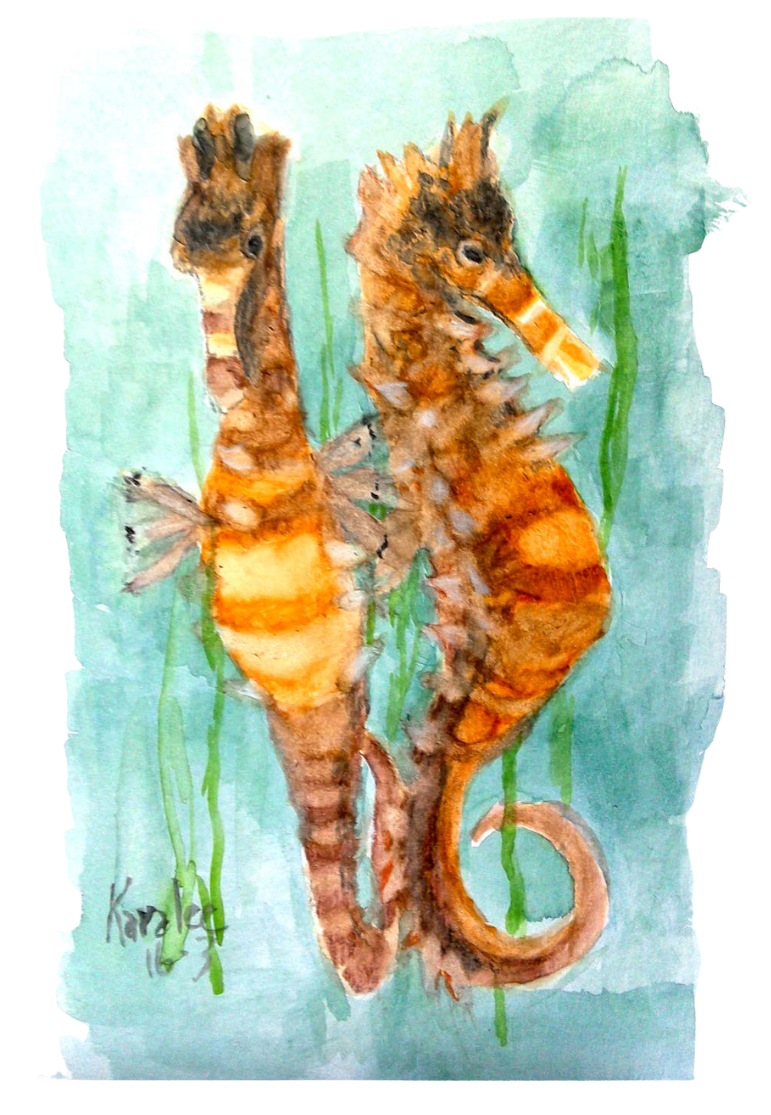
Texture is usually the first thing that separates original art from reproductions. In oils or acrylics, raised brushstrokes catch the light and cast tiny shadows. In watercolor or pastel, pigment sinks into the paper or clings to the tooth of the surface in irregular ways. Your eye reads those shifts as movement and depth, even from across the room.
Color in an original painting also behaves differently. I mix colors by hand, often on the canvas itself. Layers of glazes, scumbles, and corrections leave subtle variations that no printer can match dot for dot. A printed image tends to flatten those shifts into one uniform tone, while an original shows the underlayers peeking through.
Brushwork tells the story of the artist's decisions. A quick, confident stroke feels different from a slow, searching line. You see where I hesitated, changed my mind, or let a drip run instead of wiping it away. Those so-called imperfections are often what give a piece its character and presence.
There is also the simple fact that my hand touched every inch of the surface. I stood a certain distance away, stepped forward, stepped back, and responded to what the painting needed in that moment. That back-and-forth between artist and canvas settles into the finished work like a record of conversation.
Because of that, collectors often describe a stronger pull toward an original painting than toward a print of the same image. They sense weight and intimacy in the physical object itself. The texture, color shifts, and visible decisions give them something to return to over time, noticing new details as the light and their own attention change.
Key Factors Affecting Pricing of Original Artwork
Once you notice the physical life inside an original painting, the next puzzle is why one piece costs more than another. Price grows out of a mix of plain expenses, quiet intangibles, and the simple limits of how many hours an artist has.
The most visible layer is material cost. Sturdy canvas or quality paper, archival boards, stretcher bars, and good brushes are not cheap. Professional-grade paints hold more pigment and less filler, so a rich red or deep blue often comes from tubes that eat a chunk of the budget. Add framing, glass, backing, and hardware, and the bare bones of a finished work already carry a certain price.
Then there is time. A small, direct study may come together in an afternoon. A larger, complex painting might sit on the easel for weeks, with drying times between layers and long sessions of quiet problem-solving. Years of practice also sit behind those hours. When you pay for original fine art, you stand in the long shadow of the artist's training, experiments, and discarded canvases.
Reputation and demand shape pricing too. If an artist has a steady track record of sales, exhibitions, or a strong following, collectors expect to pay more. That higher price reflects not just name recognition but the simple fact that there are more people waiting for a limited number of new works.
Rarity, size, and complexity all weigh in. A one-of-a-kind piece has a different value from an image that exists as dozens of prints. Larger works require more materials and more hours. Intricate detail, layered glazes, or complex compositions take longer than a simple, direct approach, even when the two are similar in size.
Provenance and authenticity move the piece from "beautiful object" into "documented work." Provenance is the record of where the artwork has been: who has owned it, where it has been shown, and how it has moved through time. Authentication confirms that the piece is genuinely by the named artist. Clear records, signatures, certificates, and gallery stamps calm doubts and reduce risk for collectors. That sense of security often raises value because the history of the artwork is less likely to be questioned later.
When you look at a price tag on an original painting, you are seeing all of these elements stacked together: the cost of materials, the time and skill, the reputation and demand, the rarity and scale, and the documented story that proves the work is what it claims to be. The number is not random; it is a shorthand for the life that has gone into that single piece.
Comparing Originals to Prints: What Collectors Should Know
Once you understand how much life sits inside a single original, the role of prints starts to make more sense. Originals are one-of-a-kind objects. A print is a repeatable image. That difference shapes cost, rarity, and the kind of relationship a collector forms with the work.
An original involves direct handling of paint or pastel on the surface. Every adjustment leaves physical evidence: thickness of paint, scratches, stained paper, and small corrections that sit just under the final layer. When you hold that object, you hold the only copy of that exact history. If it sells, it is gone from the market, which is part of why collectors think carefully about timing and price.
Prints, by contrast, are created from an already finished image. A high-resolution scan or photograph becomes the source file. From there, different printing methods enter the picture. A giclée print uses archival inks and papers with careful color control. It often stays closer to the original hue and value shifts than older methods, and it usually lasts longer without fading. Limited editions of giclée prints sometimes carry more collectability because the artist caps how many are produced and numbers each one.
Lithographs sit at an interesting middle point. Traditional lithography uses a plate or stone, ink, and a press. Even though multiple impressions come from the same plate, each print reflects the small variables of ink, pressure, and paper. Signed, numbered lithograph editions often hold stronger resale and collector interest than open-edition reproductions, especially when the artist is involved in proofing.
At the most accessible end are posters and mass reproductions. These usually use standard commercial inks and paper meant for volume rather than longevity. They offer an affordable way to live with an image you enjoy, but they rarely gain monetary value. The same design can be reprinted many times, in different sizes, by different vendors, which keeps them easy to replace but also keeps value low.
All prints share one basic trait: more than one copy exists, or could exist. That does not make them unworthy. Prints often give new collectors a way to bring art into a home without the price of an original. They also let someone enjoy an image after the original has sold. The trade-off is emotional and financial. An original tends to carry a stronger sense of presence and a clearer path for long-term value because it is the only physical record of the artist's full process. Prints, even high-quality ones, echo that record but do not carry its unique skin and history.
How to Assess Authenticity and Artistic Value
When you stand in front of a painting and wonder whether it is original, start with the simplest clue: the surface. Tilt it in the light. Look for the rise and fall of brushstrokes, slight ridges of paint, or the way watercolor has stained the paper in uneven bands. Printed dots, glossy film, or an image that looks flat from every angle usually signal a reproduction.
Next, hunt for a signature. Many artists sign the lower corner of the front, some sign on the back, and a few do both. A clear, consistent signature in real pencil, ink, or paint carries more weight than one that looks printed on. If the signature seems to float above a glossy coating with no texture of its own, you are likely looking at a print of an original rather than the original itself.
For higher-priced work, ask about a certificate of authenticity. A good certificate lists the artist's name, title, medium, dimensions, and date, and often mentions whether the piece is one-of-a-kind or part of an edition. Equally important is provenance-the paper trail of ownership and exhibition. Old gallery labels, show tags on the back, or written records from previous owners help confirm that the work is what it claims to be. Simple, clear paperwork makes investing in original fine art less stressful because it reduces guesswork later.
Once basic authenticity feels sound, shift your attention to artistic value. Look closely at brushwork. Do the marks feel deliberate and varied, or stiff and repetitive? Slow down over edges where two colors meet. Strong painting often shows confident transitions rather than hard outlines everywhere. Check whether the style seems consistent across the whole surface. Awkward patches that do not match the rest can hint at overpainting or awkward alterations.
Materials also tell a story. Heavy, well-stretched canvas, acid-free paper, or solid boards signal that the artist took longevity seriously. Cheap, flimsy supports or paint that already looks chalky and cracked raise questions about how the piece will age. When you wonder how to value paintings, factor in both the visible skill and the likelihood that the materials will hold up over time.
Numbers and documents matter, but they are not the whole picture. Stand back and check your own response. Does your eye keep circling the work, returning to small passages of color or texture? Do you sense an underlying rhythm or structure, even if the subject is simple? That quiet pull often points to thoughtful decisions beneath the surface. Artistic value rests as much in that sustained conversation between you and the piece as in any resale estimate. When you give yourself permission to trust both evidence and instinct, you start to see originality and worth as something you can feel and reason through, not just as a price tag someone else set.
The Benefits of Owning Original Fine Art Today
Living with an original painting shifts the feel of a room in a quiet, steady way. The surface carries decisions, revisions, and small risks that no second copy repeats. That physical record gives you more than an image on the wall; it gives you a one-to-one relationship with the person who made it.
Over time, that relationship tends to deepen. Light changes through the day and different passages step forward. A color you barely noticed at first suddenly anchors the whole piece. These slow discoveries invite you to keep looking, instead of glancing once and moving on. Many collectors describe this as a sense of recognition, as though the work keeps meeting them in new seasons of their own life.
Original fine art also carries a kind of individuality that seeps into a home or office. No one else owns that exact surface with those exact marks. Even when the subject is familiar-a landscape, a bowl of fruit, a figure-the specific rhythm of the brushwork and the small oddities of drawing stake out their own territory. Rooms filled with originals tend to feel less like a catalog and more like a set of conversations.
There is a practical side as well. Because an original is a single object with a documented history, it often holds or grows value over years, especially when the artist continues to work, show, and sell. Not every painting will turn into a windfall, and it should not have to. The point is that original fine art sits at the intersection of personal meaning and potential financial steadiness instead of sliding into quick decoration.
Then there is the simple satisfaction of supporting living artists. When you choose an original over a mass-produced image, you feed the studio hours that produce the next body of work, the next experiment, the next risk. In that sense, you are not just decorating. You are investing in a culture that still makes things by hand, one surface at a time.
Original fine art carries a unique story woven through every brushstroke, color layer, and texture. Its value grows from the artist's time, materials, and personal touch, making each piece truly one of a kind. Unlike prints, originals invite a deeper connection, offering a living presence that changes with light and perspective. Whether you are a seasoned collector or someone looking to rekindle creativity, experiencing original artwork firsthand brings a special kind of joy and discovery. In Ellenton, Florida, Graphical Reflections offers original fine art pieces alongside inviting, approachable instruction designed to help you connect more fully with the creative process and the art itself. If you feel drawn to explore the richness of original art or want gentle guidance on your own creative path, don't hesitate to reach out. There's a warm welcome waiting to help you enjoy and understand the beauty in every unique creation.