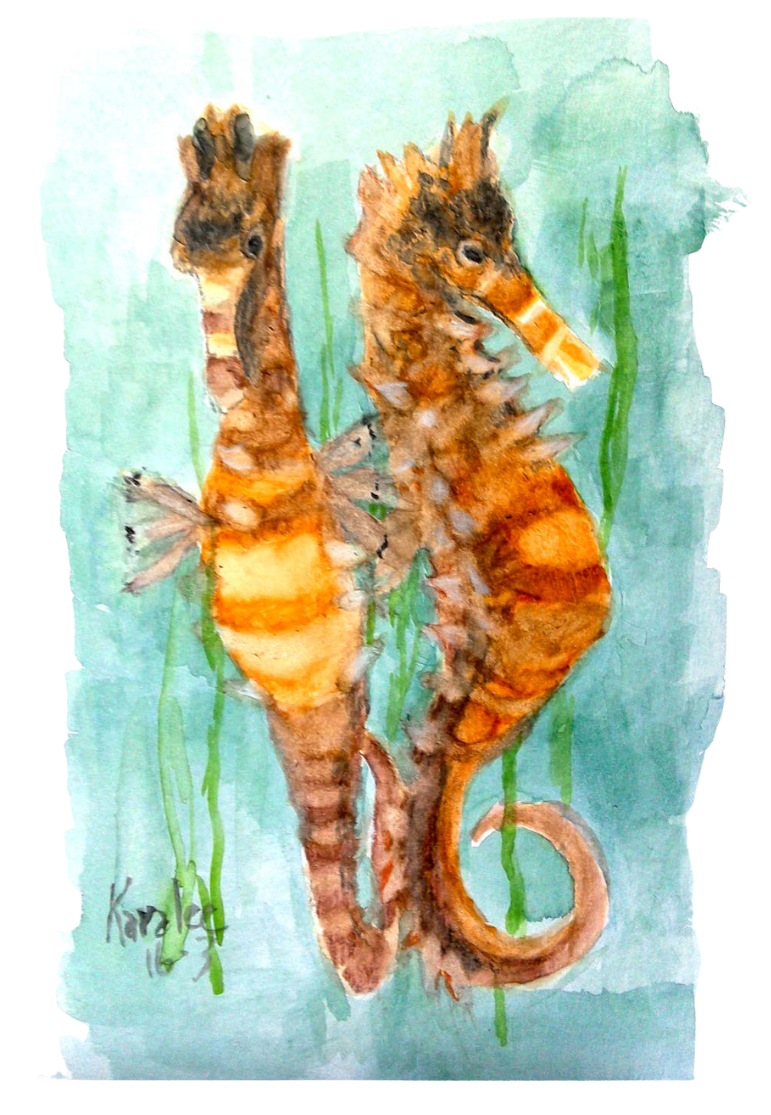

How to Start Painting After 40 With Confidence and Joy
Published September 4th, 2026
Starting something new in your 40s or beyond can feel a little daunting, especially when it comes to art. You might wonder if the spark of creativity has dimmed over the years or worry that it's too late to pick up a brush or pencil. But here's a comforting truth: creativity doesn't have an expiration date. Many find that their artistic side blooms beautifully later in life, bringing fresh joy and calm to their days.
It's perfectly normal to carry some hesitation-maybe a quiet voice inside tells you you're not talented enough or that others are more skilled. Those doubts often come from old experiences or comparisons that don't belong in this new chapter. What matters most now is giving yourself permission to play, explore, and express without judgment or pressure.
This gentle approach to creativity is about welcoming the process rather than chasing perfection. It's about showing up for yourself with kindness, curiosity, and patience. Whether you've never drawn a line or haven't touched a paintbrush in years, the focus is on finding comfort in making marks and noticing the small moments of satisfaction that follow. Embracing this mindset sets the stage for a relaxed, enjoyable art practice where your unique expression can quietly grow and unfold at your own pace.
Gentle Introduction: You Are Not Too Old For Art
Let me say this plainly: you are not too old for art. Not at 40, not at 70, not beyond that. If your fingers still move and your eyes still notice color and light, you are right on time.
I hear the same quiet worries over and over. "I have no talent." "I am rusty." "Everyone else is better." That noise in your head comes from school grades, rushed teachers, and years of putting everyone else first. It does not know a thing about art.
I am a self-taught artist in my 50s. I learned the slow way: years of practice, plenty of flops, and guidance from generous mentors. No art degree, no magic gift, just steady, curious effort.
This guide stays simple and kind. Small, friendly steps. A pencil, a cheap brush, scrap paper. No fancy supplies, no talk of masterpieces. This is not about turning you into a gallery artist.
There are no grades here. No right or wrong, no perfect result. Only you, making marks and noticing what feels good. In the next parts, I will walk through easy, stress-free ways to start putting marks on paper and feel quietly proud that you showed up for yourself.
Simple Tools and Materials to Get Started
I like to start with tools that feel as ordinary as a grocery list. A soft pencil (HB or 2B), a cheap eraser, and a simple notebook or pad of copy paper are enough for your first marks. Nothing precious. If the paper feels "too nice," your hand tenses up and the fun goes right out of it.
Once the pencil feels friendly, add one or two playful options, not a whole aisle of them. Charcoal sticks or a charcoal pencil give a loose, smudgy line that forgives wobble and hesitation. A small, student-grade watercolor set or a basic set of acrylics, plus two medium brushes, keeps choices clear and calm.
For surfaces, I like:
Drawing paper or a sketchpad: smooth enough for pencil, sturdy enough for erasing.
Watercolor paper: any inexpensive pad marked for watercolor handles puddles and drips.
Canvas panel or canvas pad: flat, light, and easier to store than big stretched canvases.
Keep color sets small: six to twelve colors are plenty. Fewer choices ease decision fatigue and invite play. You spend less time wondering which tube to squeeze and more time actually moving paint around. That matters when you are easing back into art and wanting a stress-free art practice, not a shopping project.
I suggest making a tiny "art corner" at home. A box or basket with your pencil, eraser, a sharpener, a sketchpad, and maybe one paint set means you can sit down for ten minutes without fuss. When the tools stay simple and close at hand, practice fits into spare moments, like a cup of tea, instead of turning into a big event that needs perfect conditions.
Easy First Projects to Build Confidence
Once the pencil and paints are sitting in that little art corner, the next question usually pops up: what on earth do I make? I like to answer that with projects so simple they feel almost like doodling, but they quietly teach a lot.
Gentle still life on the kitchen table
Set a mug, a piece of fruit, or your glasses on the table. Nothing fancy, just something you see every day. With your soft pencil and sketchpad, draw only the big shapes first: the oval of the mug opening, the curve of the apple, the line where the table edge sits.
Keep lines loose. Let them wobble. Erase only when it helps you see better, not to chase perfection. This kind of slow looking trains your eyes and hands to work together without pressure.
Simple line "walks" across the page
Take that same pencil and give yourself permission to wander. Place the point on the page and let a single line travel around without lifting the tip. Loop, zigzag, circle, cross over, double back. Fill the page with one long, wandering path.
Afterward, pick a few shapes that appear between the lines and shade them in. This teaches control, but it feels more like a quiet game than a lesson from a beginner art guide for adults.
Color mixing play sheet
With your small watercolor or acrylic set and a piece of watercolor paper, paint a grid of simple rectangles. In the first row, use colors straight from the set. In the rows below, mix two colors for each rectangle and write the color names in pencil beside them.
No blending tricks, no special brushwork, just noticing what happens when blue meets yellow, or red softens with a bit of white. These color mixing exercises turn that little paint set into something familiar, not mysterious.
Freeform abstract painting
Take a canvas panel or thicker paper and choose three colors plus white. Using your medium brushes, lay down big areas of color, then add stripes, dots, or blocks on top. Think about balance, not realism. If a patch looks awkward, paint over it.
This kind of freeform abstract painting is kind to anyone starting art as a mature adult because there is nothing to "get wrong." It uses the same basic tools you already gathered, and every so-called mistake becomes another layer of interest.
Each of these projects gives you room to experiment, notice small wins, and practice overcoming self-doubt in art one relaxed page at a time. The goal is not a masterpiece; the goal is to show up, stay curious, and let the paper carry your imperfect, honest marks.
Overcoming Self-Doubt and Perfectionism
Once the projects start, a different voice often shows up. It whispers, "This looks awful," or, "You should be better by now." That voice feeds on old report cards, rushed art classes, and years of comparing yourself to others who seemed more "talented." It does not care about your quiet wish for a calm, creative corner in your life.
Perfectionism wears many disguises. Sometimes it sounds noble: "I just like to do things well." Sometimes it delays you: sharpening pencils for twenty minutes instead of making one line. Sometimes it tells you to stop the moment something looks awkward. The page stays half-finished, and you feel confirmed in your doubt.
I like to treat perfectionism as a fussy guest at the table, not the host. It may chatter, but it does not get the brush. When that tight feeling starts, I switch the goal. Instead of "make a good drawing," I choose, "fill this page with marks," or, "try three different ways to draw this leaf." Small, clear tasks invite curiosity, not judgment.
Short, repeatable goals steady the hand and the mind. Ten minutes of sketching your coffee mug each morning. One color mixing sheet a week. A single freeform abstract painting every Sunday afternoon. These little promises to yourself loosen the grip of fear because the bar is low and specific: show up, make marks, notice one thing you like.
Celebrating progress matters more than praising results. Maybe today you paused before erasing. Maybe you tried a bolder color or left a "wrong" line in place and kept going. Those are not minor details; they are signs that self-doubt is no longer driving the session. I sometimes jot a date and a tiny note in the corner of a page, then flip back a month later. The change always shows in the lines, even when I did not feel it day by day.
Playfulness softens the inner critic faster than stern lectures. Try drawing with your non-dominant hand for five minutes, or sketch a spoon without looking at the paper, only at the spoon. Let the drawing look odd on purpose. This gives your nervous system proof that nothing terrible happens when art looks awkward. The world does not end; you just have another page of honest, lively marks.
Patience ties all of this together. A beginner art guide for adults holds space for the slow, uneven progress that comes with age, stiff joints, and busy lives. Self-doubt and perfectionism lose strength when the practice stays gentle and regular, when the focus shifts from performance to presence. That calmer mindset lays the ground for lasting creative habits, where art time becomes as ordinary and dependable as making the bed or brewing morning tea.
Making Art a Relaxing Part of Your Life
Once art stops feeling like a performance, it can settle into daily life the way a walk or a cup of tea does. Short, steady sessions work better than rare, heroic marathons. Ten or fifteen minutes with a pencil feels light, but stacked over weeks it shifts your sense of yourself as someone who makes things.
Regular, unhurried time soothes the nervous system. Repeating simple actions-sharpening a pencil, taping a page to the table, rinsing a brush-signals to your body that this is safe ground. Breathing slows, shoulders drop, and the day's noise softens. That quiet is as important as the drawing itself, especially when you are rebuilding confidence in art after 40.
A small, predictable rhythm helps. Choose a pocket of time that already feels calm: early morning before messages, a lunch break, or the half-hour between dinner and dishes. Link art to that moment. "After my coffee, I sketch for ten minutes." The ritual matters more than the subject or the result.
Even a tiny, claimed corner supports this habit. A folding table in the bedroom, one end of the kitchen counter, or a tray you slide under the bed keeps supplies gathered. Pencil cup, sketchbook, maybe a small watercolor set and one brush. When everything lives together, starting feels easy, and creative expression after 40 becomes part of the room, not a special event.
It helps to drop the idea that every session must produce something "good." Think of each page as a breathing space, not an audition. Some days the lines will land well, other days they will wander. Both count. The practice is the point: hands moving, eyes noticing, mind resting on one simple task at a time.
Over time, this gentle routine sinks into the background of life. Art becomes the way you check in with yourself, loosen tight thoughts, and mark the day with a small, private pleasure. No grand project, no race for progress-just a steady, relaxing habit that leaves a quiet glow long after the water in the jar has settled.
Next Steps and Finding Support
Once the habit feels steady, it is natural to want a bit more guidance and company. Quiet solo time matters, but a small circle of fellow beginners adds encouragement you cannot give yourself on the hard days.
There are many gentle ways to keep growing without pressure. Community centers, libraries, and galleries often host beginner classes, creative aging art tips sessions, or open studio hours. Short workshops let you try something new in an afternoon: a basic watercolor lesson, a drawing refresher, or a simple acrylic project.
Online options also suit tired evenings or busy schedules. Recorded lessons pause and rewind as often as needed. Live video classes bring a teacher's eyes to your work without leaving home, which helps if mobility or driving has become a concern.
Personalized instruction gives another kind of support. A patient teacher notices patterns you may miss: how you grip a pencil, where tension shows up, what subjects light you up. Small adjustments ease frustration, and gentle structure keeps you moving forward instead of circling the same worries about finding creativity later in life.
My own teaching focuses on mature adults who want clear, simple steps and a kind space. I keep rates modest, groups small, and expectations low so growth stays steady and enjoyable, not stressful. Professional guidance is not required for creative expression after 40, but it offers a warm place to land when you are ready for company on the path.
Creativity does not come with an expiration date. At any age, especially after 40, it's perfectly okay to start small and keep things simple. The real joy of art lies in the process-making marks, playing with colors, and expressing yourself without chasing perfection. Being gentle with yourself as you explore is where the magic happens, turning self-doubt into quiet confidence.
For mature adults looking to try or return to art, there's a welcoming place in Ellenton, Florida, where I offer personal art lessons and workshops designed just for you. My approach is low-pressure, affordable, and focused on helping you relax and enjoy creative time on your own terms. Whether you want to sketch, paint, or just get comfortable with your tools, I'm here to support your next step.
Why not take that first step today? When you're ready, you can learn more about how to keep your creativity flowing in a friendly, encouraging space made for people rediscovering the joy of art.